How Federated Infrastructure Turns Technology Resources into Transferable Business Value
Two infrastructure providers can own comparable GPU capacity, operate to the same standards and carry similar costs. Yet one may reach a much larger market not because its infrastructure is better, but because its capacity can support services delivered by software vendors, AI platforms and managed service providers beyond its direct customer base. That difference will fundamentally change the economics of IT infrastructure.
Federated Infrastructure introduces an operating model in which independently owned infrastructure, software and services can be combined into reusable, governed capabilities. Organizations can consume those capabilities, extend them with their own expertise and make the resulting services available to others without owning or operating every underlying component.
The opportunity goes beyond utilization and cost reduction. It could create new revenue streams, broader distribution and commercial value that extends across organizational boundaries. Infrastructure remains where it is owned and operated. What changes is how its capabilities are defined, governed, consumed and potentially commercialized.
This is not simply multicloud management or infrastructure automation. It is a different way for independent participants to create and capture value from technology investments.
From Infrastructure Complexity to Transferable Value
Public and private clouds, physical infrastructure, Kubernetes, GPU platforms, storage, networks and specialized stacks have different interfaces, operational requirements and governance models. Connecting them is not enough to create federation.
Infrastructure must be defined, delivered, governed and operated consistently across technology and organizational boundaries. A common operating model, supported by an infrastructure control plane, makes that possible.
The goal is not to standardize every platform. The control plane absorbs differences so consumers can use a consistent interface while providers retain control over their infrastructure, policies, security and operations. This enables three changes: heterogeneous infrastructure becomes consistently manageable; complete environments become reusable, governed Offerings; and those Offerings can be incorporated into services delivered by other organizations.
An Offering might provide GPU capacity, a validated AI software stack, a development environment or a specialized infrastructure service. It defines what is delivered, how it is governed and the conditions of consumption, without exposing every underlying component to the consumer. Federation does not make infrastructure valuable. It makes infrastructure value transferable. Capacity, architectures, software and expertise that were previously confined to individual organizations can become reusable components of other organizations’ services.
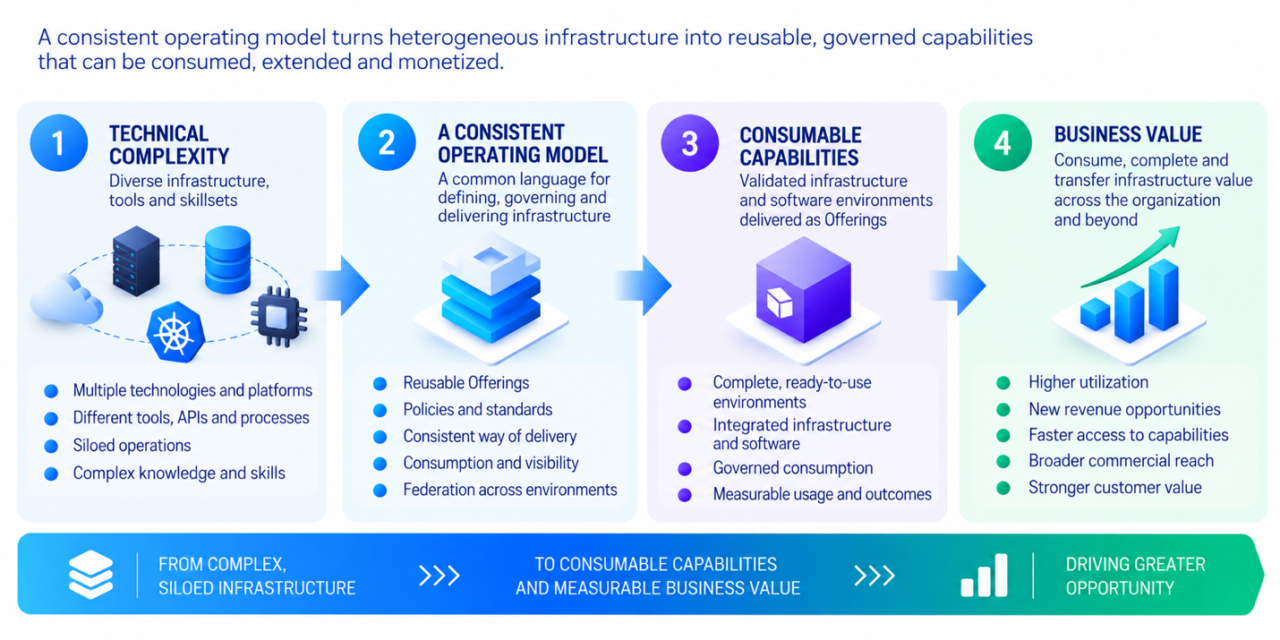
Figure 1. From Technical Complexity to Business Value
Following the Money: How Federation Creates Economic Value
Consider a sovereign cloud provider with substantial GPU infrastructure. The provider has financed the hardware, built the data center and established security, compliance and operational expertise. Yet demand fluctuates, leaving expensive capacity underused between workloads.
Through federation, the provider can publish a defined portion of that capacity as a governed Offering, with specified resources, reservation conditions, security requirements and measurable consumption. It retains ownership and operational control. A technology partner can nevertheless consume that Offering and build on it. The partner adds a validated AI software stack, including frameworks, configurations and licensing. The result is a ready-to-use AI environment rather than raw GPU capacity. A managed service provider can add monitoring, security operations, compliance management, service assurance and support. The customer then consumes a complete managed AI capability without buying the GPUs, assembling the stack or managing separate operational relationships with every contributor.
Each contribution can carry its own commercial terms: GPU capacity may be charged by reservation or usage, software by subscription or license, and managed services by duration or service level. The customer might pay the managed service provider, which compensates the technology partner, which in turn pays the infrastructure provider for capacity consumed or reserved. The common operating model supports consistent delivery, governance and measurement across those boundaries. Commercial agreements and billing systems determine how charges are calculated and settled.
The customer purchases the accumulated value, not simply the underlying hardware.
The infrastructure provider can earn revenue from deployed capacity; the software partner can commercialize validated technology without owning GPUs; and the service provider can sell a differentiated service without financing the full stack. The customer gains a complete capability without reproducing the capital investment, integration work and operational expertise behind it.
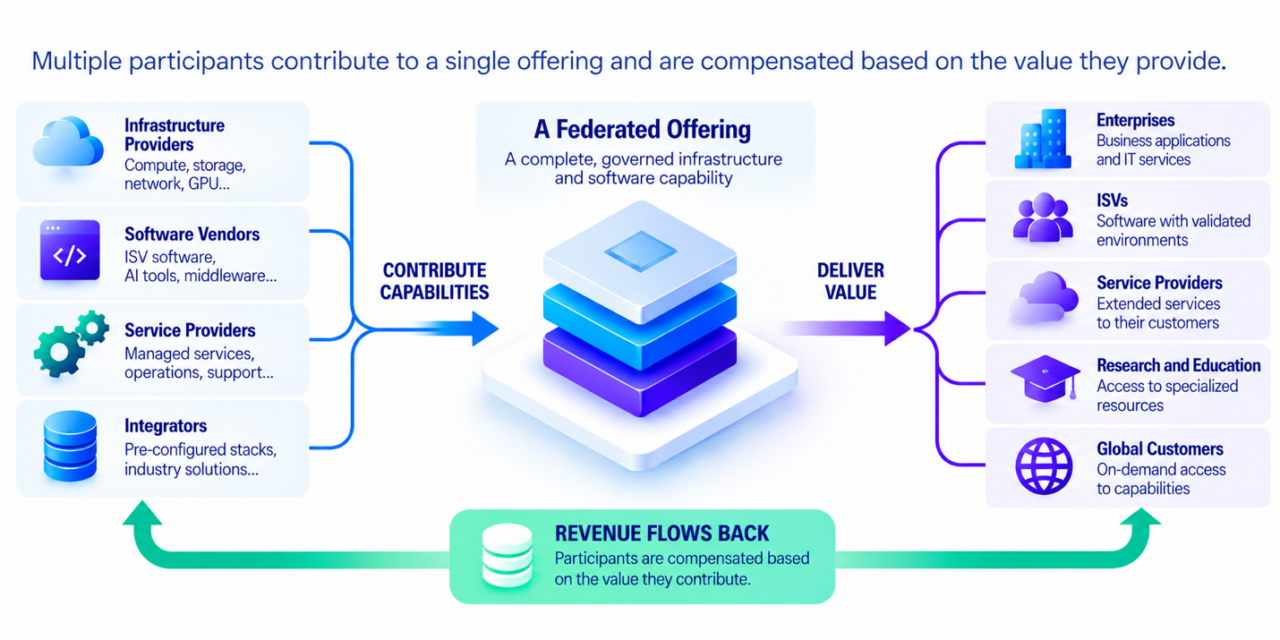
Figure 2. Following the Money
From a Supply Chain to an Infrastructure Economy
That example is a simple supply chain: infrastructure, software, managed services and a customer. Federation need not stop there.
An organization can consume one Offering, extend it, publish another and contribute to several others simultaneously. Consistent definitions, governance and measurement allow those relationships to cross organizational boundaries without requiring common ownership. Consider an enterprise consuming a managed AI application. Its delivery might depend on inference from one provider, a validated stack from another, GPUs operated by a sovereign cloud, regional storage and specialist security services. The enterprise may deal only with the application provider, even though the service depends on capabilities supplied by several independent organizations.
Those providers may themselves consume other Offerings. An inference platform could use GPUs from multiple operators; an application provider could combine inference, models and licensed data; a managed service provider could deploy across sovereign regions. The result is not a fixed ownership hierarchy but a network of independently operated capabilities assembled around the service being delivered.
An Offering becomes a building block that can participate in other Offerings.
That becomes economically significant when consumption can be measured and attributed to the contributing layers. An AI application request may be measured in tokens, while fulfilling it consumes inference, GPU-hours, storage, networking and licensed software. Those contributions may have different measures and commercial terms.
One customer interaction can therefore create multiple consumption events and commercial obligations. Participants need not use the same pricing model, surrender control or join a single marketplace. They do need consistent governance, consumption attribution and supporting commercial mechanisms.
The infrastructure control plane supports governed, reusable capabilities and their operational context. Pricing, licensing, invoicing, billing and settlement require complementary commercial systems. The opportunity is not merely a marketplace for spare compute.
It is an emerging infrastructure economy in which independent providers combine infrastructure, software, services and intellectual property into products that create value across multiple organizations. The customer consumes one capability. An entire infrastructure economy can participate in delivering it.
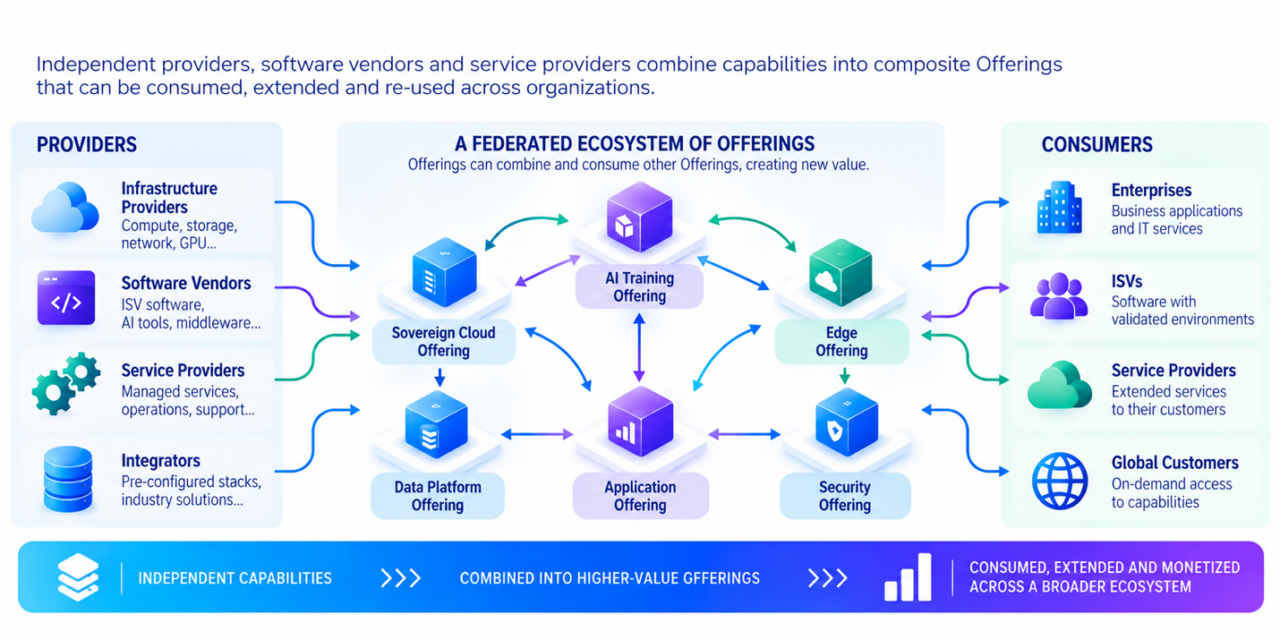
Figure 3. The Federated Infrastructure Economy
The Strategic Cost of Standing Still
If infrastructure can create value beyond its owner’s direct customer relationships, distribution becomes a strategic variable alongside capacity, performance and cost.
Two providers with similar GPU investments may achieve different utilization and returns if one can reach demand through multiple AI platforms, software vendors and managed service providers while the other relies primarily on direct sales. The first may reach demand generated by an ecosystem. The second remains more dependent on its own commercial channels. Neither outcome is guaranteed; margins, demand and integration costs still matter. The difference is not necessarily the infrastructure. It is the number and quality of commercial relationships in which that infrastructure can participate.
Some organizations will be Architects, building the capabilities and partnerships to shape this model. Others will be Observers, preparing to participate while waiting for stronger evidence. Defenders will continue to rely primarily on established ownership and delivery models.
Each position carries risk. Early participants face investment and execution uncertainty; those who wait may lose learning and relationships; those who rely exclusively on existing channels may face a narrower market. A complete cross-provider infrastructure economy is not yet an established industry-wide model. Infrastructure aggregation, partner distribution and multi-party commercial arrangements demonstrate parts of the opportunity, not the entire model. The immediate question is not whether every organization should become an infrastructure provider. It is whether today’s technology investments and operating models preserve the option to participate in tomorrow’s commercial relationships.
From Vision to Reality
Quali’s Torque platform was developed to turn complex infrastructure and software environments into standardized, reusable Offerings that can be provisioned, operated and governed through a common infrastructure control plane. Cisco’s adoption of Quali technology and introduction of Stack Automation illustrates how repeatable, validated technology stacks can become part of a major infrastructure provider’s portfolio. That is a meaningful technical foundation, not proof that the complete federated economic model already exists.
Technical federation and commercial federation are distinct. Consistent delivery and governance do not automatically provide the multi-party licensing, attribution, invoicing, billing and settlement needed for a distributed infrastructure economy.
Those capabilities require additional interoperability, commercial agreements and systems that can attribute consumption across independent contributors. Organizations do not need to wait for the entire economic model to mature before taking useful steps. Infrastructure providers can identify capacity and validated environments suitable for governed Offerings. Software vendors and service providers can examine what they could package, extend and commercialize. Enterprises can assess where consuming or sharing capabilities could improve capital efficiency and access to specialized resources.
Standardizing delivery and governance, improving consumption visibility and testing partner relationships can deliver operational benefits today while preserving future options. Virtualization improved resource utilization. Cloud changed how infrastructure was acquired and consumed. Automation made complex environments easier to deliver consistently.
Federated Infrastructure points toward another change: enabling independently owned infrastructure, software and services to participate in a broader economy of reusable capabilities. The strategic question is no longer simply what infrastructure an organization owns. It is how broadly that infrastructure, and the capabilities built upon it, can create economic value.
The full whitepaper examines the operating model, reusable Offerings, multi-party commercial relationships and strategic implications in depth.
Explore the Federated Infrastructure Opportunity.Evaluate where federation could improve utilization, expand market access or enable new services.
- Read the full white paper: Federated Infrastructure: The New Economics of IT Infrastructure
- Explore the interactive article: Navigate the architecture, concepts and commercial models behind the emerging infrastructure economy.
- Blog: Infrastructure, Unbound: Build Once. Deliver Anywhere. Extend Everywhere.
- Blog: Federated Infrastructure: When Infrastructure Stops Belonging to a Location.
See how Torque provides the control plane for infrastructure automation across cloud, data center and edge environments, or talk to us about how federated infrastructure could apply to your environment.