 Enterprise AI has a deployment problem. The models exist. The hardware exists. The architectures are validated. What consistently breaks down is the process of bringing it all together, the weeks of manual coordination across vendors, teams, and tooling layers that stand between an approved AI initiative and a running production environment.
In a recent interview with Pulse 2.0, Quali CEO Lior Koriat spoke about why that problem exists, why it is getting worse, and what Stack Automation by Quali was built to do about it.
The Problem Is Not the AI. It Is the Infrastructure Activation.
Deploying a production AI environment means orchestrating accelerated compute, networking, storage, software layers, AI frameworks, security, and observability in a way that is validated, repeatable, and production-grade. When that process is manual, weeks become the floor, not the ceiling. The hardware is rarely the bottleneck. Getting it activated, governed, and accessible is.
Compounding this is the wave of GPU repatriation now underway. As cloud token costs at enterprise scale become untenable, organizations are moving AI workloads back on premises. That shift does not simplify the infrastructure problem. It compounds it.
What Stack Automation Does
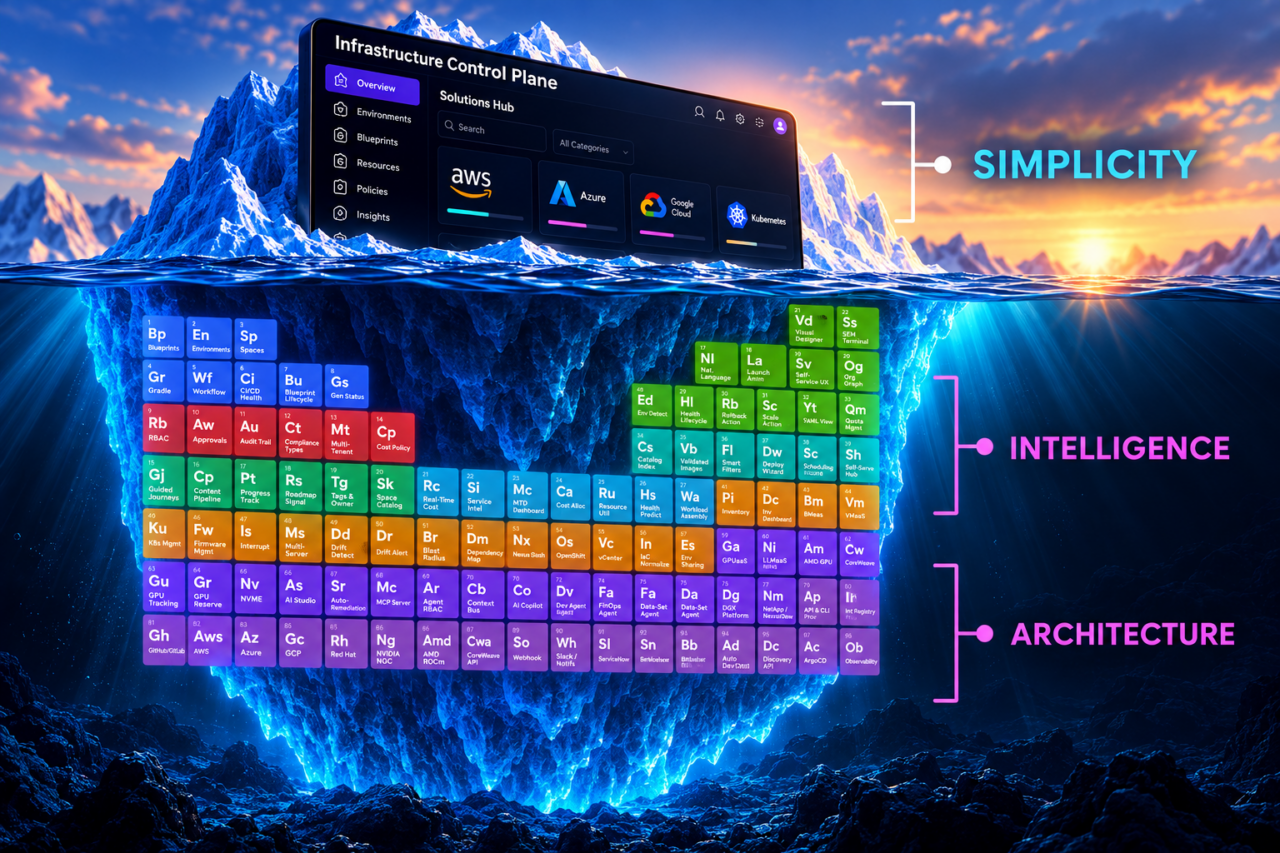
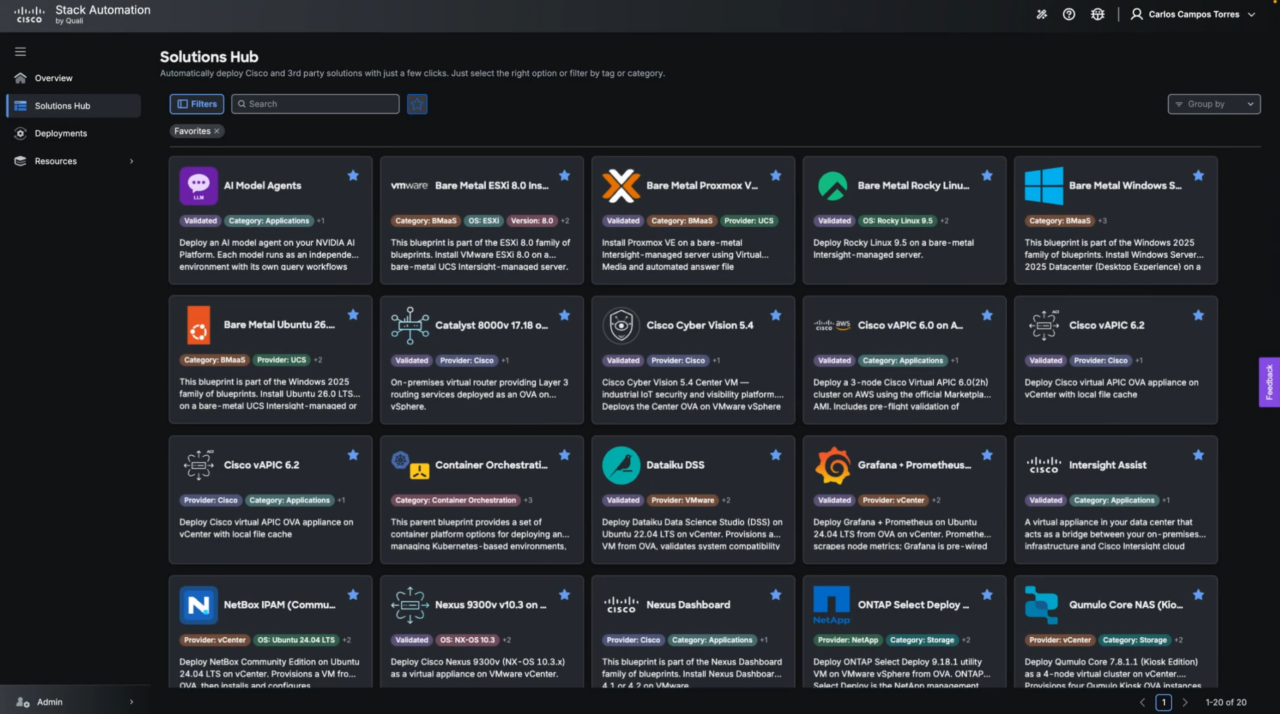
Stack Automation by Quali was co-developed with Cisco to compress multi-week deployments into hours. At its center is the Solutions Hub, a catalog of hundreds of Cisco-validated, production-ready blueprints covering infrastructure, software, and AI application workloads. Security baselines, configuration best practices, and compatibility checks are applied automatically at the moment of deployment, not audited afterward.
The platform operates across the full stack, from bare metal through networking, compute, storage, operating systems, AI frameworks, and application workloads, within a single governed workflow. IT and platform engineering teams, data scientists, and AI application developers each operate within their own context inside the same platform. The assembly problem is eliminated rather than shifted to a different team.
Why Cisco
The Cisco relationship is foundational to what Stack Automation is. The platform was co-developed with Cisco engineering, validated designs, security baselines, and compatibility testing reflect Cisco expertise built directly into how the platform works. Stack Automation is available exclusively through the Cisco partner channel, giving it access to a global network of enterprise relationships at exactly the moment organizations are making decisions about AI infrastructure readiness.
What Comes Next
Software GA is targeted for August, with full-stack solution deployments including Cisco AI PODs following in October. Looking further ahead, Lior sees the validated blueprint becoming as standard in infrastructure delivery as the container image is in software today, and agentic intelligence increasingly closing the gap between a human designing a deployment and a system executing it.
The full interview is must read for anyone thinking seriously about enterprise AI infrastructure and what it actually takes to move from pilot to production at scale.
Read the full press release: Pulse 2.0: Interview With CEO Lior Koriat About Stack Automation